
Pilates Reformer Machine Guide: Everything Studios Need to Know
Walk into any modern Pilates studio and one piece of equipment almost always takes center stage: the reformer. It looks part exercise machine, part medieval contraption, with springs, straps, and a sliding carriage. Yet it’s one of the most versatile tools in fitness today.
If you’re opening a studio, upgrading your equipment, or simply curious what all the fuss is about, this Pilates Reformer Machine Guide breaks down exactly how reformers work, why they matter, and how to choose the right one for your space in Qatar.
What Is a Pilates Reformer?
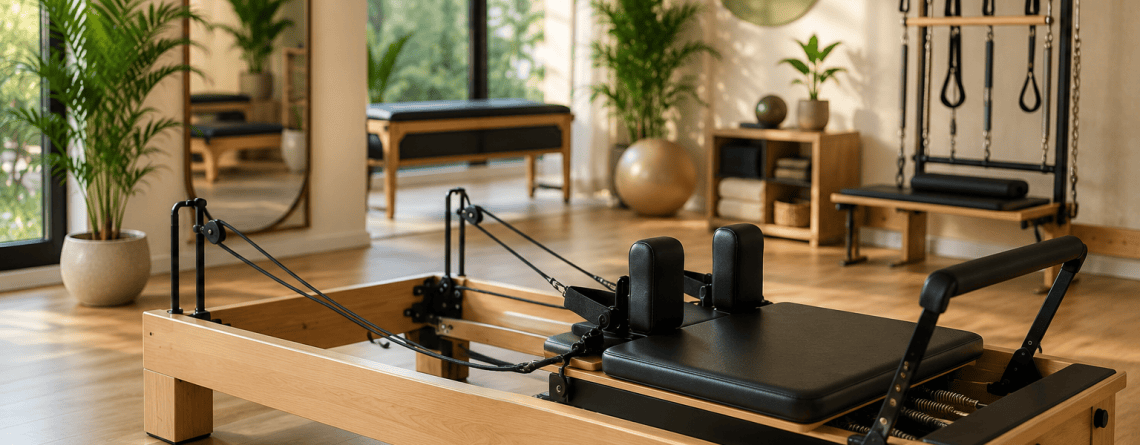
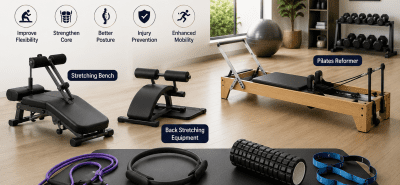
What is a Pilates reformer, exactly? At its core, it’s a bed-like frame with a flat carriage that rolls back and forth on wheels within the frame. Springs attached beneath the carriage create adjustable resistance, while straps, a footbar, and shoulder blocks let users perform a wide range of controlled movements.
Originally developed by Joseph Pilates in the early 20th century, the reformer has evolved into precision-engineered studio equipment used by physiotherapists, professional dancers, and everyday fitness clients alike.
How Does a Pilates Reformer Work?
Understanding how does a Pilates reformer work helps explain why it’s so effective for building strength without heavy impact on the joints.
- The user lies, sits, or stands on the sliding carriage
- Springs beneath the carriage provide resistance that can be increased or decreased
- Pushing or pulling the carriage using the footbar, straps, or handles engages the core, legs, arms, or back depending on the exercise
- Because the carriage moves smoothly along a fixed track, movements stay controlled and low-impact throughout the full range of motion
This spring-based resistance system is what separates reformer Pilates from mat-based Pilates or traditional weight training.
Pilates Reformer vs Mat Pilates: What’s the Difference?
A common question from new studio owners and clients alike is Pilates reformer vs mat Pilates — which is better?
Mat Pilates uses body weight alone, performed on a padded mat with minimal equipment. It’s accessible, requires little space, and works well for beginners building foundational core strength.
Reformer Pilates adds adjustable spring resistance, sliding movement, and support from straps and the footbar. This allows for:
- Greater resistance variety, from gentle rehabilitation work to advanced strength training
- Improved alignment support for clients recovering from injury
- A broader range of exercises targeting multiple muscle groups in one session
Most studios offer both, but the reformer is typically the equipment that drives membership growth and higher-value class pricing.
Types of Pilates Reformers
Not all reformers are built the same. Knowing the types of Pilates reformers available helps studio owners and instructors choose equipment suited to their space and clientele.
Classic Reformers
Traditional wood or metal frame reformers with a straightforward spring and pulley system. Popular in boutique studios that favor a classic aesthetic and simple mechanics.
Studio Reformers
Heavier-duty frames built for continuous commercial use, often with reinforced components designed to withstand multiple daily classes.
Tower or Combo Reformers
These integrate a vertical tower attachment, allowing instructors to add standing, kneeling, or suspended exercises without needing separate equipment.
Home Reformers
Compact, foldable designs intended for personal use rather than commercial rotation, generally lighter-duty than commercial Pilates reformer machines.
Sports Village Qatar’s Pilates equipment range includes several of these configurations, sourced through established fitness equipment brands.
Pilates Reformer Benefits
The Pilates reformer benefits driving its popularity across Doha’s fitness and wellness scene include:
- Low-impact resistance training suitable for a wide range of ages and fitness levels
- Improved core strength, posture, and flexibility
- Support for physiotherapy and post-injury rehabilitation programs
- Full-body conditioning in a single session, targeting arms, legs, glutes, and back
- Scalable resistance, making it appropriate for both beginners and advanced practitioners
Many physiotherapy clinics and wellness centers in Qatar now include reformer sessions specifically because of this rehabilitation value.
Pilates Reformer for Beginners: What to Expect
If you’re introducing reformer classes for the first time, understanding the Pilates reformer for beginners experience matters for client retention.
New users should expect:
- A brief orientation on how the springs, straps, and footbar function
- Lighter spring resistance during the first few sessions
- Guided instruction on breathing and controlled movement, since the reformer relies on precision rather than speed
- Gradual progression to more advanced exercises as core stability improves
Studios that invest in proper beginner onboarding tend to see stronger client retention than those that rush new members into advanced classes.
Reformer Pilates Classes Explained
Reformer Pilates classes explained simply: sessions are typically capped at small group sizes, often six to ten participants, so instructors can adjust spring tension and monitor form individually. Classes generally run 45 to 55 minutes and combine flowing sequences with isolated strength work.
This small-class format is part of why reformer studios can command premium pricing compared to general group fitness classes.
Pilates Studio Equipment List: What You Actually Need
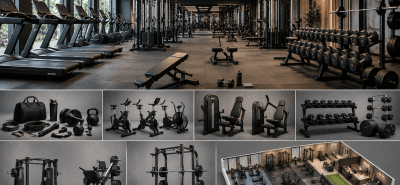
Beyond the reformer itself, a complete Pilates studio equipment list typically includes:
- Reformers (the centerpiece of most class formats)
- Stability balls and props for supplementary exercises
- Studio-grade flooring designed to handle repeated equipment movement
- Storage solutions for straps, blocks, and accessories
- Mirrors for form correction, where space allows
Sports Village Qatar supplies both the Pilates accessories and props studios need alongside reformers, as well as rubber gym flooring suited to studio environments.
How to Choose a Pilates Reformer for Your Studio
Knowing how to choose a Pilates reformer comes down to matching the equipment to your studio’s actual usage pattern.
Consider:
- Class volume — commercial studios running back-to-back classes need heavier-duty frames than boutique or home setups
- Space constraints — some reformers fold or stack for studios with limited storage
- Client demographics — rehabilitation-focused studios may prioritize smoother spring adjustment and added stability features
- Brand reliability — established manufacturers typically offer better warranty support and spare parts availability
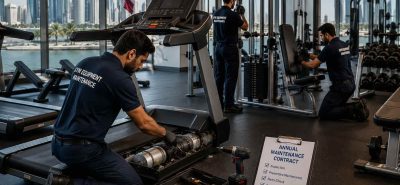
- Maintenance support — ongoing servicing matters more for high-traffic commercial equipment than home units
Sports Village Qatar is an authorized distributor for Merrithew, a globally recognized name in Pilates and reformer equipment, giving Qatar-based studios access to genuine, warrantied machines.
Buying a Pilates Reformer Machine in Qatar
When buying a Pilates reformer machine, studio owners in Qatar should look beyond price alone. Genuine manufacturer warranties, local after-sales support, and proper installation all affect the equipment’s long-term value.
Before purchasing, it helps to:
- Confirm whether the supplier is an authorized distributor for the brand
- Ask about delivery and installation timelines
- Clarify what maintenance and servicing support is included
- Compare commercial-grade versus home-grade models if you’re unsure of your class volume
Best Pilates Reformer for Studios: Commercial vs Home-Grade
The best Pilates reformer for studios is rarely the same model recommended for home users. Commercial environments need frames built for constant use across multiple daily classes, reinforced joints, and components that can be serviced quickly if worn.
Sports Village Qatar’s commercial Pilates category is built specifically around this distinction, separating studio-grade equipment from the lighter models designed for personal home use.
Pilates Reformer Maintenance Tips
Protecting your investment starts with basic upkeep. Useful Pilates reformer maintenance tips include:
- Inspecting springs and straps regularly for wear or fraying
- Keeping carriage tracks clean and free of dust or debris
- Scheduling professional servicing at manufacturer-recommended intervals
- Training staff on correct setup and breakdown between classes to avoid unnecessary strain on components
Commercial studios running high class volumes should treat maintenance as a scheduled part of operations, not an afterthought.
Frequently Asked Questions
1. Is a Pilates reformer good for beginners?
Yes. With proper instruction, reformers are well suited to beginners, since spring resistance can be adjusted to a comfortable starting level and gradually increased as strength improves.
2. How much does a commercial Pilates reformer cost?
Costs vary significantly based on brand, build quality, and features like tower attachments. Commercial-grade machines generally cost more than home models due to reinforced construction for continuous use.
3. Can reformer Pilates help with injury recovery?
Many physiotherapists incorporate reformer exercises into rehabilitation programs because the controlled, low-impact resistance supports safe movement patterns during recovery.
4. How is a Pilates reformer different from a regular gym machine?
Unlike fixed-resistance gym machines, a reformer uses a sliding carriage and adjustable springs, allowing for a much wider range of motion and exercise variety in a single unit.
5. What should studio owners look for when buying reformers in Qatar?
Look for authorized distributors offering genuine equipment, manufacturer warranties, local installation, and after-sales maintenance support, rather than sourcing unverified imports.
Ready to Equip Your Pilates Studio?
Choosing the right reformer is one of the most important equipment decisions a studio owner will make. Whether you’re outfitting a new space or upgrading existing machines, working with an authorized supplier ensures genuine equipment, proper installation, and long-term support.
Visit Sports Village Qatar to explore commercial and home Pilates reformer options, or request a free consultation to plan your studio’s complete equipment setup.
Written by the Sports Village Qatar content team, in consultation with our Pilates and fitness equipment specialists.

LEAVE A COMMENT