
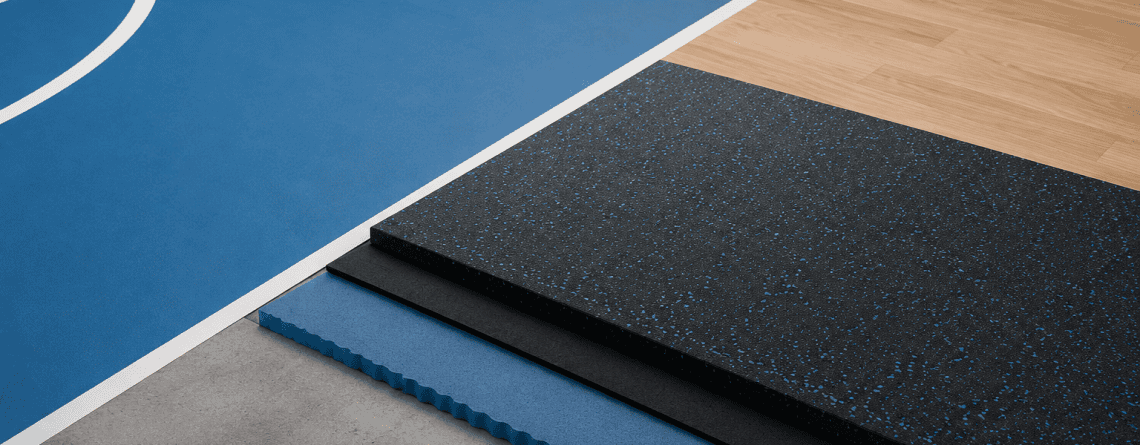
Indoor Sports Flooring Guide: Types, Benefits & Installation in Qatar
Indoor sports flooring is one of the most important decisions you will make when building or renovating a court, gym, or multi-purpose training hall, since the wrong surface can lead to injuries, poor performance, and costly repairs within a few years. Whether you are outfitting a school sports hall, a commercial gym, or a university training center in Doha, choosing the right flooring affects safety, durability, and long-term maintenance costs.
This guide walks through the main types of indoor sports flooring, how to choose between them, and what facility managers and contractors in Qatar should check before signing off on a supplier.
Why Indoor Sports Flooring Matters
The floor is the single most-used surface in any sports facility, absorbing constant impact from running, jumping, weight drops, and equipment movement. Poor-quality flooring wears out fast, cracks under stress, and increases the risk of joint injuries for athletes and members.
A well-specified indoor court flooring Qatar solution, on the other hand, protects both the people using the space and the building’s subfloor, while reducing noise and maintenance costs over its lifespan.
Types of Indoor Sports Flooring
1. Rubber Sports Flooring
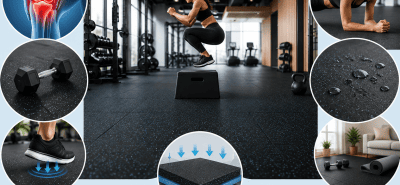
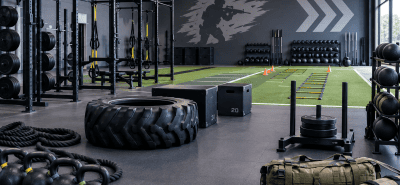
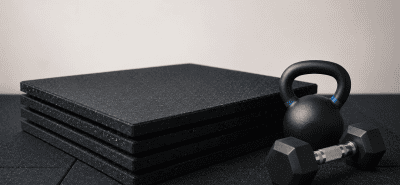
Rubber sports flooring is the most common choice for gyms, weight rooms, and functional training zones. It offers strong shock absorption, excellent durability, and good slip resistance, making it ideal for free-weight areas, CrossFit boxes, and cardio zones.
2. PVC Sports Flooring
PVC sports flooring is widely used for basketball courts, badminton courts, and multi-purpose halls. It provides a smoother, faster playing surface with consistent ball bounce, along with vibrant color options for court markings and branding.
3. Wood and Wood-Effect Flooring
Traditional wood flooring is still popular for indoor basketball and volleyball courts due to its natural bounce and traditional look. Modern wood-effect vinyl alternatives now offer similar performance with lower maintenance requirements.
4. Interlocking Foam and Modular Tiles
Interlocking tiles are commonly used in school sports halls, martial arts studios, and multi-use community centers because they are easy to install, replace, and reconfigure for different activities.
5. Shock-Absorbing Sports Floor Systems
For high-impact zones like weightlifting platforms and functional training areas, a dedicated shock-absorbing sports floor system is essential. These are engineered specifically to reduce impact stress on both athletes and the building structure.
Key Benefits of the Right Indoor Sports Flooring
- Reduces injury risk from falls, joint strain, and repetitive impact
- Improves performance with consistent grip, bounce, and traction
- Extends the lifespan of the subfloor and reduces long-term repair costs
- Cuts down noise and vibration in shared or multi-story buildings
- Simplifies daily cleaning and hygiene management
- Withstands Doha’s heat and humidity without warping or degrading
Choosing Indoor Sports Flooring by Facility Type
Commercial Gyms and Fitness Centers
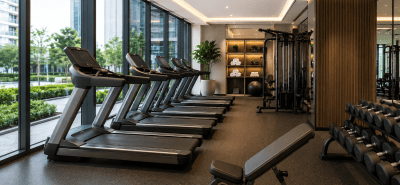
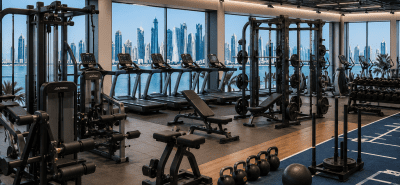
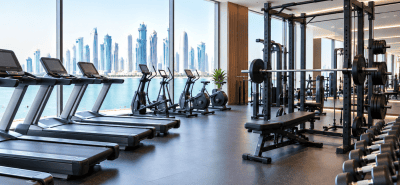
Commercial gyms typically need a mix of surfaces: rubber sports flooring for free-weight and strength zones, and cushioned matting for functional training areas. Durability under daily heavy use is the top priority here.
Schools and Universities
School sports flooring Qatar projects usually require multi-purpose surfaces that can handle basketball, volleyball, badminton, and general PE activities on the same floor, making PVC or interlocking tile systems a practical choice.
Multi-Purpose Halls
Multi-purpose hall flooring Doha facilities often combine PVC sports flooring with removable court markings, allowing the same space to be reconfigured for different sports and community events.
Hotels and Corporate Fitness Rooms
Hotel gyms and corporate fitness rooms benefit from rubber flooring that dampens sound, since noise complaints from guests or neighboring offices are a common operational issue.
Installation and Maintenance Tips
- Assess subfloor condition before installation to avoid uneven wear
- Match flooring thickness to the activity — heavier impact zones need thicker matting
- Choose UV and heat-resistant materials suited to Qatar’s climate
- Schedule regular cleaning to prevent dust buildup, which affects grip and durability
- Work with an experienced commercial sports flooring supplier for correct specification and fitting
Proper indoor flooring installation Qatar work also involves sealing seams correctly, which prevents moisture buildup and extends the floor’s usable life significantly.
Indoor Sports Flooring for Home and Small Training Spaces
Not every project is large-scale. Home gym owners and personal trainers running small studios also benefit from the same shock-absorbing principles used in commercial facilities, just at a smaller footprint and lower cost.
Why Work With a Specialist Supplier
Sourcing indoor sports flooring directly from an experienced, authorized supplier avoids the common pitfalls of mismatched thickness, poor adhesive quality, and inconsistent surface grip. Sports Village Qatar is the authorized supplier of Ecore USA and Paviflex Spain flooring systems, and offers both commercial and home-scale solutions through its dedicated Rubber Gym Flooring Qatar range.
For facilities also planning equipment layout alongside flooring, it’s worth reviewing options under Functional Training equipment and Benches and Racks, since flooring specification often depends on which zones will carry the heaviest equipment load.
Smaller projects and personal training spaces can explore the home gym flooring Qatar range for the same shock-absorption benefits at a residential scale.
Frequently Asked Questions
What is the best indoor sports flooring for a gym? For most gyms, rubber sports flooring is the best choice for weight rooms and training zones, while PVC sports flooring works better for basketball or multi-purpose courts.
How thick should indoor sports flooring be? Thickness depends on use — free-weight and high-impact zones typically need thicker matting (15mm or more), while general training or court areas can use thinner rubber or PVC surfaces.
Is indoor sports flooring suitable for Qatar’s climate? Yes, high-quality rubber and PVC sports flooring is designed to withstand heat and humidity without warping, making it well suited to indoor facilities across Doha and Qatar.
Can indoor sports flooring reduce noise in multi-story buildings? Yes, rubber sports flooring significantly reduces impact noise and vibration, which is especially useful in hotels, apartments, and shared commercial buildings.
Who installs indoor sports flooring in Doha? Sports Village Qatar provides full indoor flooring installation Qatar services, including subfloor assessment, fitting, and after-sales support for commercial and home projects.
Choosing the right indoor sports flooring protects your investment, your equipment, and the people training on it every day. The team at Sports Village Qatar can help you specify the correct flooring for your facility, budget, and usage needs.
REQUEST A FREE FLOORING QUOTE — CALL NOW →
Address: Sports Village, Building No 86, Street 340, Zone 39, Near Jarir Book Store, Ramada Signal, Salwa Road, Doha, Qatar Phone: +974 4450 1166 / +974 5515 6973



LEAVE A COMMENT