
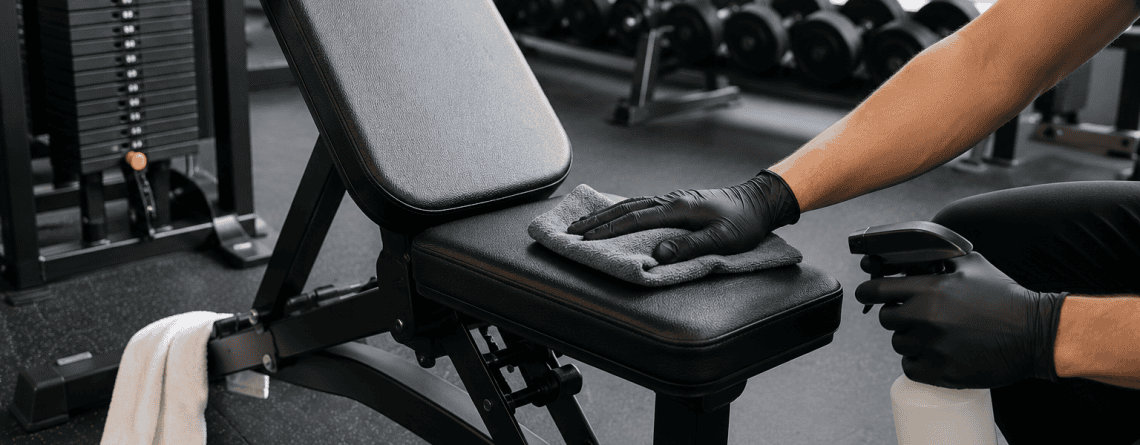
Why Gym Equipment Maintenance Matters
Gym equipment maintenance is one of the most overlooked line items in a fitness center’s budget, yet it’s often the difference between a facility that runs smoothly for a decade and one that faces constant breakdowns and unhappy members. For gym owners, fitness center managers, and equipment operators, understanding why regular upkeep matters isn’t optional — it’s central to protecting your investment and your reputation.
Why Gym Equipment Maintenance Should Be a Priority
Commercial gym equipment runs under heavy daily use, often for 12 to 18 hours a day across dozens of members. Without consistent gym equipment maintenance, wear and tear accumulates quietly until a machine fails at the worst possible moment — usually during peak hours.
Beyond avoiding breakdowns, proper maintenance protects member safety, preserves resale value, and keeps your facility looking professional. Gyms that neglect this often see it reflected directly in member retention and online reviews.
The Real Cost of Skipping Gym Equipment Maintenance
Many gym owners underestimate what poor upkeep actually costs. Consider these consequences:
- Increased repair costs: Small issues left unresolved often turn into expensive component failures.
- Equipment downtime: A broken treadmill or cross trainer sitting idle for weeks directly impacts member satisfaction.
- Safety liability: Worn cables, loose bolts, or faulty electronics can lead to injuries and potential legal exposure.
- Shortened equipment lifespan: Machines that aren’t serviced regularly wear out significantly faster than well-maintained ones.
Gym equipment downtime caused by delayed servicing is one of the most common complaints among facility managers, and it’s almost always preventable with a structured maintenance plan.
Key Areas of Gym Equipment Maintenance
Cardio Equipment Servicing
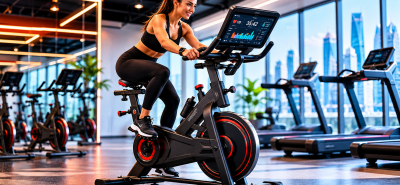
Treadmills, cross trainers, and bikes see the highest usage in most facilities. Following consistent treadmill maintenance tips — like belt lubrication, incline motor checks, and console calibration — prevents the most common cardio equipment failures.
Strength Equipment Upkeep
Selectorized machines, plate-loaded equipment, and cable systems require regular checks on cables, pulleys, and pins. Cable fraying is one of the most dangerous issues if left unaddressed, since it can snap under load.
Electrical and Console Systems
Modern gym equipment relies heavily on electronic consoles and sensors. Routine checks catch software glitches, display issues, or power irregularities before they escalate into full system failures.
Flooring and Facility Checks
While not equipment itself, gym flooring around machines should also be inspected regularly, since uneven surfaces can accelerate equipment wear and create safety hazards.
Building a Preventive Maintenance Schedule
Reactive repairs are always more expensive than preventive maintenance gym equipment programs. A structured schedule typically includes:
- Daily checks: Visual inspection for loose parts, unusual noises, or visible damage before opening hours.
- Weekly servicing: Lubrication, belt tension checks, and cleaning of high-touch components.
- Monthly inspections: Deeper checks on electronics, cables, and structural bolts.
- Quarterly professional servicing: A full technical inspection by qualified engineers, covering components that aren’t part of routine daily checks.
Following a gym equipment inspection checklist at each of these intervals ensures nothing falls through the cracks, especially in high-traffic commercial facilities.
How Gym Equipment Maintenance Extends Equipment Lifespan
Well-maintained equipment can last significantly longer than neglected machines. Extending your gym equipment lifespan isn’t just about saving on replacement costs — it also protects the resale value of equipment when you eventually upgrade your facility.
Manufacturers design commercial machines to withstand years of heavy use, but only when serviced according to recommended intervals. Skipping scheduled servicing often voids warranty coverage too, adding another financial risk to neglecting gym equipment maintenance.
Why Professional Servicing Matters
While daily visual checks can be handled in-house, deeper commercial gym maintenance work should be left to trained technicians. Professional servicing catches issues that aren’t visible during routine walkthroughs, such as internal motor wear, belt misalignment, or electrical faults.
Partnering with a provider offering ongoing fitness equipment technical support also means faster response times when something does go wrong, minimizing costly downtime.
Choosing the Right Gym Equipment Maintenance Partner in Doha
For gym owners searching for reliable gym equipment repair Qatar services, working with the original supplier or an authorized partner offers clear advantages — they understand the specific machines, have access to genuine parts, and are familiar with manufacturer specifications.
Sports Village Qatar has supplied and maintained commercial gym equipment across Doha since 2006, offering professional gym maintenance Doha facilities can rely on. As an authorized distributor for Precor, Torque, Concept 2, and other leading brands, our team provides genuine parts and manufacturer-backed servicing for the commercial gym equipment we supply.
Our after-sales support covers everything from routine servicing to full technical repairs, helping facility managers avoid the downtime and safety risks that come with deferred maintenance. To discuss a maintenance plan tailored to your gym, you can reach out to our team directly.
Signs Your Gym Equipment Needs Immediate Attention
Watch for these warning signs between scheduled services:
- Unusual grinding, clicking, or squeaking noises
- Console errors or unresponsive displays
- Visible fraying on cables or belts
- Machines that feel unstable or wobble during use
- Noticeable resistance inconsistency on cardio equipment
Catching these early through consistent gym equipment maintenance routines prevents minor issues from becoming costly, safety-critical failures.
FAQs About Gym Equipment Maintenance
1. How often should commercial gym equipment be serviced? Most commercial facilities benefit from daily visual checks, weekly cleaning and lubrication, and a full professional inspection every quarter.
2. What happens if gym equipment isn’t maintained regularly? Neglected equipment wears out faster, becomes a safety liability, and often requires expensive repairs or early replacement.
3. Can gym staff handle maintenance without a technician? Basic daily checks and cleaning can be handled in-house, but deeper technical servicing should be done by qualified professionals to avoid voiding warranties.
4. Does regular maintenance affect equipment warranty? Yes, most manufacturers require documented regular servicing to keep warranty coverage valid, especially for commercial-use machines.
5. How much should gyms budget for equipment maintenance? This varies by facility size and equipment count, but budgeting a percentage of original equipment cost annually is a common industry practice — a maintenance provider can help calculate specifics for your setup.
Protect Your Investment With Reliable Gym Equipment Maintenance
Consistent gym equipment maintenance isn’t just a cost center — it’s what keeps your facility safe, your members satisfied, and your equipment running for years longer than neglected machines. Sports Village Qatar has over 18 years of experience supporting gym owners across Doha with genuine parts, expert servicing, and responsive after-sales support.
📍 Address: Sports Village, Building No 86, Street 340, Zone 39, Near Jarir Book Store, Ramada Signal, Salwa Road, Doha, Qatar


LEAVE A COMMENT