
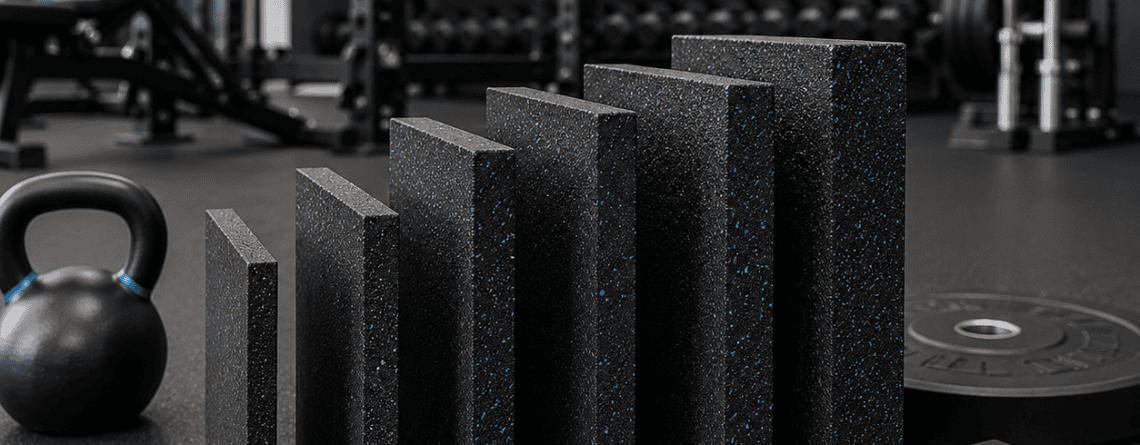
Gym Flooring Thickness Guide: Doha & Gulf Gym Owners
Gym flooring thickness is the first technical decision most home and commercial gym owners in Doha and the wider Gulf region get wrong — and it’s an expensive mistake to fix once tiles are glued down or rolls are cut to size. Whether you’re renovating a spare room in Dubai or fitting out a full commercial facility in Doha, choosing the correct thickness protects your subfloor, your equipment, and your budget for years to come.
At Sports Village Qatar, we work directly with home gym buyers and commercial studio operators across Qatar and the region, and flooring thickness questions come up in almost every build-out consultation. This guide breaks down exactly what thickness you need, why it matters, and how to choose between the options available.
Why Gym Flooring Thickness Matters
Flooring isn’t a cosmetic afterthought — it’s structural protection. The right gym flooring thickness absorbs impact from dropped weights, cushions joints during high-intensity training, reduces noise transfer to rooms below, and keeps heavy equipment stable during use.
Get the thickness wrong in either direction and you’ll face problems. Too thin, and you risk cracked subfloors, dented concrete, and noise complaints from neighbors in shared buildings. Too thick, and you’re overspending on material and labor for a home setup that never needed that level of protection in the first place.
There’s no single universal answer to how thick gym flooring should be — the right gym flooring thickness depends entirely on how the space will be used.
Standard Gym Flooring Thickness by Use Case
Home Gym Flooring Thickness
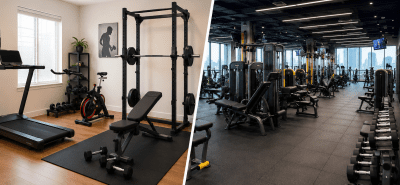
For most home setups built around bodyweight training, yoga, cardio machines, or light dumbbell work, home gym flooring thickness of 8mm to 12mm is generally sufficient. This range provides enough shock absorption for daily use without adding unnecessary bulk, and it installs easily over existing tile or concrete in a Doha apartment or Dubai villa.
Commercial Gym Flooring Thickness
Commercial gym flooring Qatar facilities need to plan for constant foot traffic, mixed equipment types, and all-day use. A thickness of 15mm to 20mm is the standard recommendation for general commercial zones like cardio areas, group fitness studios, and open training floors. This gym flooring thickness range balances durability against a realistic budget across large square footage.
Heavy Weightlifting & Functional Training Zones
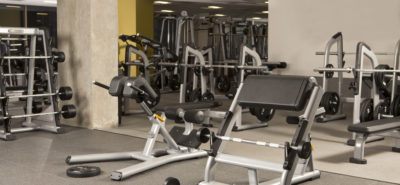
Areas built for Olympic lifting platforms, dumbbell racks, and dropped-weight training — the kind of high-impact use common in CrossFit-style boxes — require the thickest flooring available, typically 20mm to 30mm or more. This heavier gym flooring thickness is considered the best gym flooring for weights because it protects both the concrete subfloor and the equipment itself from repeated impact.
Choosing Rubber Gym Flooring in Doha
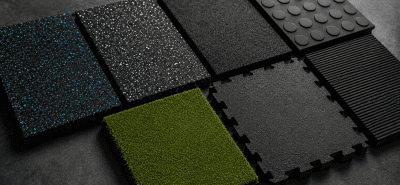
Rubber gym flooring Doha buyers should know that rubber remains the top material choice across the Gulf for a practical reason: it holds up well in high-heat, high-humidity conditions without warping, unlike some foam or vinyl alternatives. It’s also low-maintenance and resistant to sweat and cleaning products common in commercial gyms.
Sports Village Qatar is the authorized distributor of Paviflex Spain flooring — one of the leading gym flooring brands used across our projects — alongside Ecore USA rubber flooring solutions. When sourcing rubber flooring rolls Qatar suppliers offer, pay attention to density as much as thickness. A denser rubber at a slightly lower thickness can sometimes outperform a lighter, thicker product for shock absorption and long-term durability.
You can browse our full range of commercial rubber gym flooring or home gym flooring options to compare thickness and finish before you buy.
Noise Reduction and Shock Absorption
If your gym sits above another unit, in a shared residential building, or near bedrooms, noise reduction gym flooring should be a top priority. Thicker flooring — 20mm or more — combined with an acoustic underlayment pad significantly cuts down on impact noise from dropped weights or jumping movements. Many commercial studios we’ve fitted out in Doha pair standard rubber tiles with underlay specifically to meet building noise regulations and keep neighboring tenants happy.
Shock absorbing gym flooring also protects joints during high-impact training like plyometrics and box jumps, which matters for both member safety and long-term equipment maintenance.
Cost Considerations for Gym Flooring in Qatar
Gym flooring cost Qatar buyers can expect varies primarily by thickness, material density, and total square footage. As a general guide:
- Thinner home gym options (8-12mm) are the most budget-friendly per square meter
- Mid-range commercial flooring (15-20mm) sits in the middle price tier
- Heavy-duty weightlifting flooring (20-30mm+) commands the highest price due to material volume and reinforced construction
Flooring is a long-term investment. Choosing a thinner option purely to save upfront costs often leads to earlier replacement, especially in commercial settings with daily heavy use — a false economy most gym owners only discover once cracks appear.
Gym Flooring Installation Tips
Proper gym flooring installation Doha projects should always start with a clean, level, and completely dry subfloor. Trapped moisture underneath rubber flooring can cause odor and material degradation over time, which is a real risk in Qatar’s humid climate if the subfloor isn’t prepped correctly.
For commercial spaces, interlocking tiles are often easier to replace section-by-section if damage occurs. Large rubber rolls give a more seamless look and are popular for home gyms. For any space over 500 square feet, professional measurement and installation is worth the cost to avoid seams that shift under heavy equipment — something we’ve handled across projects for hotels, universities, and commercial gyms throughout Qatar, viewable in our completed projects portfolio.
Frequently Asked Questions
What is the minimum gym flooring thickness for home use?
8mm is generally the minimum recommended thickness for light home workouts, though 10-12mm offers better protection if you’re using dumbbells or kettlebells regularly.
How thick should flooring be under a squat rack?
Areas with squat racks, deadlift platforms, or Olympic lifting should use 20mm to 30mm flooring, or a dedicated lifting platform, to handle repeated heavy impact safely.
Does thicker gym flooring always mean better quality?
Not necessarily. Rubber density and material quality matter as much as raw thickness. A high-density 15mm tile can outperform a low-density 20mm tile in durability and shock absorption.
Is rubber flooring suitable for Doha’s climate?
Yes. Rubber handles heat and humidity well and won’t warp the way some foam or vinyl products can under Gulf conditions, making it a reliable year-round choice.
How much does commercial gym flooring cost in Qatar?
Costs vary by thickness, brand, and supplier, but commercial-grade rubber flooring typically costs more than home-use options due to increased thickness and durability requirements. Contact our team for a tailored quote based on your space.
Get the Right Gym Flooring Thickness for Your Space
Whether you’re outfitting a home gym or a full commercial facility, getting the gym flooring thickness right protects your investment, your equipment, and the people training on it. Sports Village Qatar has supplied and installed flooring for hotels, gyms, and home setups across Doha since 2006.
Sports Village, Building No 86, Street 340, Zone 39, near Jarir Book Store, Ramada Signal, Salwa Road, Doha, Qatar
Phone: +974 4450 1166 / +974 5515 6973 | Email: info@sportsvillageqatar.com

LEAVE A COMMENT