
Benefits of Shock-Absorption Flooring: Why Every Gym, Studio, and Home Setup Needs It
Walk into two gyms with identical equipment, and the one with proper flooring will almost always feel safer, quieter, and more professional. Flooring is easy to overlook when planning a fitness space, yet it directly affects member safety, equipment lifespan, and even how a facility sounds to the people living or working nearby.
This guide breaks down the full benefits of shock-absorption flooring, so gym owners, facility managers, and home gym enthusiasts understand exactly why it deserves a serious place in the budget, not an afterthought.
What Is Shock-Absorption Flooring?
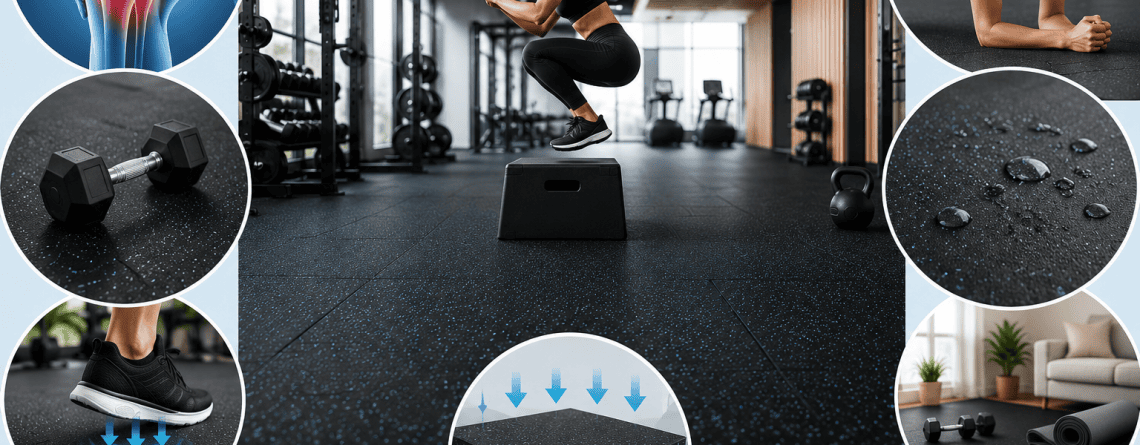
What is shock-absorption flooring, exactly? It’s flooring, typically rubber, engineered to compress and absorb impact energy from dropped weights, footfalls, and equipment vibration, rather than transferring that force directly into the subfloor or the user’s joints.
Unlike standard tiles or basic mats, shock-absorbent flooring is built with density and material composition specifically designed to manage repeated high-impact stress, which is exactly what happens on a daily basis in any active gym environment.
Joint Protection: The Most Important Benefit
The most immediate benefit of proper joint protection gym flooring is reduced strain on the knees, ankles, and lower back during high-impact movement.
- Jumping, plyometric work, and heavy footfalls create repeated impact forces
- Hard concrete or thin flooring transfers that force straight back into the body
- Shock-absorbing rubber compresses on impact, cushioning the load before it reaches the joints
For gyms running functional training, HIIT, or plyometric classes, this single benefit can meaningfully reduce member fatigue and injury risk over time.
Shock-Absorbing Gym Flooring Benefits for Weightlifting
Weightlifting areas face a different kind of stress: dropped barbells, plates, and dumbbells rather than repetitive footfalls. Shock-absorption flooring for weightlifting matters here for a distinct set of reasons.
- It protects the concrete subfloor from cracking under repeated heavy impact
- It reduces the risk of bounce-back injuries when a dropped plate rebounds off a hard surface
- It significantly extends the life of both the floor and the equipment sitting on it
Sports Village Qatar’s detailed guide on how thick gym flooring should be explains exactly how much rubber thickness different weightlifting zones require, from standard dumbbell areas to dedicated Olympic lifting platforms.
Noise Reduction: A Benefit That Protects Relationships, Not Just Floors
Noise reduction gym flooring is one of the most underrated benefits of shock-absorbing rubber, particularly for gyms and home setups located in shared or multi-story buildings.
- Impact noise from dropped weights and footfalls transfers through concrete far more easily than most people expect
- Rubber flooring dampens vibration before it reaches neighboring units or floors below
- This matters enormously for hotel gyms, apartment building gyms, and home gyms in residential towers, where noise complaints can directly affect a facility’s reputation
For anyone setting up a shock-absorbing flooring for home gym, this benefit alone often justifies the investment, especially in Doha’s apartment-heavy residential buildings.
Best Flooring for High-Impact Workouts
Not every activity produces the same impact profile, which is why the best flooring for high-impact workouts varies by training zone.
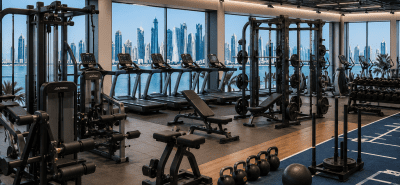
- Cardio zones typically need moderate-thickness rubber to absorb machine vibration
- General strength areas require denser rubber to handle both foot traffic and moderate weight drops
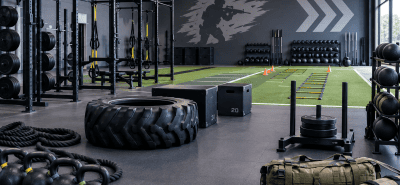
- Functional training and CrossFit zones need thicker, high-density rubber built to withstand jumping, sled pushes, and frequent weight drops
- Dedicated lifting platforms require the thickest specification, since these zones absorb the most concentrated impact force in any facility
Sports Village Qatar’s dedicated guide on the best flooring for CrossFit and functional training gyms breaks this down further by training style and athlete volume.
Anti-Fatigue Flooring Benefits Beyond the Weight Room
Shock absorption isn’t only relevant to heavy lifting. Anti-fatigue flooring benefits also apply to standing workstations, group fitness studios, and any area where users spend extended time on their feet.
- Reduces fatigue in the legs and lower back during long standing sessions
- Improves comfort during group classes involving repeated standing and movement transitions
- Adds a layer of slip resistance that improves overall safety underfoot
Rubber Gym Flooring Benefits for Equipment Longevity
Beyond protecting people, rubber gym flooring benefits extend directly to the equipment itself.
- Reduces vibration transfer that can loosen bolts and joints in machines over time
- Prevents scratching and denting from dropped plates or shifted equipment
- Protects wheels, frames, and undercarriages of cardio machines from constant vibration stress
Given how significant an investment commercial-grade equipment represents, protecting that investment with the right subfloor is a straightforward calculation. Sports Village Qatar’s commercial flooring solutions are built specifically around this durability requirement.
Impact-Resistant Flooring for Fitness: Material Considerations
When comparing impact-resistant flooring for fitness spaces, material composition matters as much as thickness.
- EPDM rubber is widely regarded for superior shock absorption under repeated heavy impact, particularly for weightlifting platforms
- Fire-resistant, anti-static rubber compounds are increasingly standard in commercial gyms, along with being free of PVC and halogens for safer indoor air quality
- Interlocking tiles offer easier installation and simpler spot-replacement if a section wears out, compared to full rolled flooring
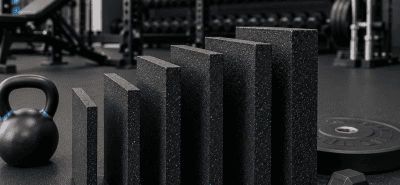
Sports Village Qatar supplies rubber tiles in both standard one-square-meter formats and thicker specifications designed specifically for weightlifting areas.
Shock-Absorption Flooring for Home Gym Setups
Home gym owners face a slightly different set of priorities than commercial facilities, but shock absorption still matters significantly.
- Protects the actual building floor beneath your equipment, which matters for both owned and rented properties
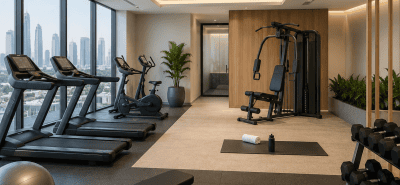
- Reduces noise transfer to neighbors, especially in apartment buildings common across Doha
- Cushions dropped dumbbells or kettlebells during strength training sessions
Choosing the right thickness depends on your training style, light dumbbell use needs far less protection than heavy barbell drops, a distinction covered in more depth in Sports Village Qatar’s flooring thickness guide referenced above.
Durable Flooring for Commercial Gyms: A Long-Term Investment
For commercial facility owners, durable flooring for commercial gyms isn’t just about impact protection, it’s about total cost of ownership over years of continuous use.
- High-quality rubber resists cracking, splitting, and surface wear far longer than budget alternatives
- Reduces long-term maintenance and replacement costs compared to cheaper flooring that needs frequent repair
- Maintains a professional appearance that reflects well on the overall facility
Sports Village Qatar’s broader guide to equipping a new gym outlines how flooring fits into the complete facility planning process, from cardio zones through to dedicated lifting platforms.
Flooring for CrossFit and Weightlifting Areas: Special Considerations
Flooring for CrossFit and weightlifting areas carries the highest performance requirements of any gym zone, since these spaces combine heavy dropped weights with dynamic, high-impact movement.
- Dedicated lifting platforms often require dual-layer systems, a compression underlay beneath a durable top tile
- Functional training zones benefit from thicker rubber that supports jumping, sled work, and plyometric movement
- Platforms should extend beyond the immediate lifting area to catch off-center drops safely
Shock-Absorption Flooring Installation: What to Expect
Proper shock-absorption flooring installation affects performance just as much as material choice.
- Interlocking tiles use snap-together edges, often eliminating the need for adhesive
- Rolled flooring suits larger continuous areas and can be more efficient for bigger commercial spaces
- Professional installation ensures seams are properly aligned, reducing tripping hazards and uneven wear over time
Sports Village Qatar’s premium commercial gym accessories guide also covers how flooring integrates with broader facility accessories, from storage systems to functional training zones.
Frequently Asked Questions
1. Does shock-absorption flooring really reduce injury risk?
Yes. By cushioning impact from footfalls, jumps, and dropped weights, it reduces the stress transferred to joints and lowers the likelihood of impact-related injuries over time.
2. How thick should shock-absorbing flooring be for a home gym?
It depends on your training style. Light dumbbell and cardio use generally needs 10mm to 15mm, while heavier barbell training benefits from 20mm or more.
3. Does shock-absorption flooring actually reduce noise for neighbors?
Yes, particularly dual-layer rubber systems with a compression underlay, which significantly outperform single-layer flooring for impact noise reduction.
4. What’s the best flooring material for weightlifting platforms?
EPDM rubber is widely preferred for weightlifting zones due to its superior shock absorption under repeated heavy impact.
5. Is shock-absorption flooring worth it for a small home gym?
Yes. Beyond protecting your own joints and equipment, it protects the building floor beneath you and reduces noise transfer, which matters significantly in apartment living.
Ready to Upgrade Your Flooring?
Shock-absorption flooring isn’t a cosmetic upgrade, it’s a safety, durability, and noise-management investment that pays off every single day a gym or home setup is in use.
Explore Sports Village Qatar’s full range of commercial and home flooring solutions, or call +974 4450 1166 for a free consultation on the right flooring specification for your space.
Written by the Sports Village Qatar fitness content team.


LEAVE A COMMENT